
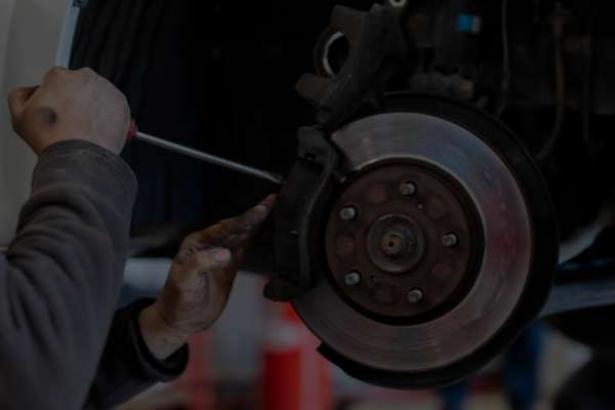
The reality of trailer technician roles in 2026
If you work as an HGV or trailer technician, you’ve probably noticed that not all roles are as similar as they first appear. Job titles can look the same, but the day-to-day work expectations and level of responsibility can be very different, especially when it comes to trailer-focused and mobile positions.
One of the biggest misconceptions in the transport and fleet maintenance market is that HGV mechanics and trailer technicians can be treated as the same role. In reality, they involve different skillsets and a different type of experience.
HGV Technician vs. Trailer Technician skillsets
HGV mechanics tend to work across the full vehicle, focusing on engines, transmissions, braking systems, and major truck components. Trailer technicians specialise in the systems that keep trailers safe, compliant and operational, including suspension and axle assemblies, trailer-specific braking systems, electrical networks and structural inspections.
For workshop roles, that distinction already matters; for mobile roles, it matters even more. Most employers hiring mobile trailer technicians are looking for people who have spent real time fault-finding on trailer systems rather than doing general mechanical work. When you’re working out of a van, there isn’t a team around you to step in. You’re expected to diagnose issues quickly, making judgement calls and carrying out compliant repairs on your own.
That’s why hands-on trailer experience carries so much weight. General mechanical knowledge still has value, but it rarely replaces the confidence that comes from working on trailers every day.
What experience mobile trailer technicians really need
When employers talk about experience, they usually mean more than how long someone has been in the trade.
What really matters is the range of systems you’ve worked on, how you approach fault-finding, and how comfortable you are working independently. Mobile trailer technicians need to be confident dealing with braking systems, suspension components, electrical faults, and inspection standards without needing constant backup.
There’s also a big focus on communication. Clients expect technicians to represent their business professionally. That means explaining issues clearly, highlighting safety risks, and thinking ahead about repairs, not just fixing the immediate problem and moving on.
Why trust matters so much in mobile work
Mobile roles come with a high level of responsibility. Most businesses are careful about who they put into a van because that technician will usually be first person a client has contact with from their company, and they have a direct impact on safety and downtime. Before trusting someone with that level of independence, employers usually want to see a solid track record of trailer-specific work.
Being able to talk through previous repairs: explaining how you diagnosed faults and showing consistency in the quality of your work goes a long way. Formal qualifications can help, but real-world capability is often what makes the difference.
If you’re a trailer technician looking for your next role, we’re currently hiring all across the UK. Reach out to Jay today for more information or head over to our job search page to search current live roles.
Share
Similar Insights
-
18.03.2026
Experienced Temp Staff for Logistics and Industrial Sectors
-
26.05.2026
Driver Jobs in Southampton | HGV & Specialist Roles Available Now
-
08.07.2026
Peak Season Hiring Doesn't Start in Peak Season
-

20.11.2025
Choosing the Right Recruitment Partner in Supply Chain & Logistics
-

19.05.2026
What Support Really Looks Like Behind the Wheel
-

09.12.2022
Don't leave your top talent sitting on the subs bench!
-

12.06.2024
Skilling Up for Success: Why Skills-Based Recruitment Matters in the Age of AI
-

25.11.2022
£100m boost for HGV roadside facilities
-

10.09.2024
People development to power performance
-

03.06.2024
Navigating a Rough Sea: How World Events are Disrupting Europe's Far East Supply Chain
-

25.03.2024
Recruitment Services vs In-House Recruitment
-

05.04.2024
Port Operations Recruitment & Shipping Recruitment: A Guide to Navigating Careers in Maritime Logistics