
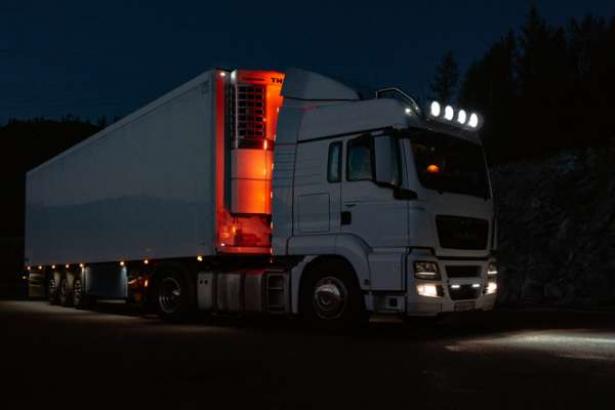
New Driver Guide: How to Become an HGV Driver in the UK
Thinking about becoming an HGV driver? Whether you're looking for a career change or hoping to get started in the transport industry, understanding the qualifications and training involved is a good place to begin.
HGV drivers play an essential role in keeping goods moving across the UK, from local deliveries to long-distance freight transport. It's a career that offers different working patterns and opportunities to develop specialist driving skills as you gain experience.
If you're unsure where to start, this guide covers the licences you'll need, how to qualify and what to expect when looking for your first HGV driving job.
What qualifications do you need to become an HGV driver?
To become a professional HGV driver in the UK, you'll usually need to be at least 18 years old, hold a full car driving licence, and meet the required medical standards.
You'll also need the correct HGV licence for the vehicles you intend to drive, alongside a Driver Certificate of Professional Competence (Driver CPC) for most professional driving work.
Class 1 vs Class 2 HGV licences: what's the difference?
The two main licence categories you'll come across when searching for HGV jobs are Class 1 and Class 2.
- Class 2 (Category C): Generally used for rigid lorries over 3.5 tonnes, with trailers up to 750kg. Common in local deliveries, waste collection and regional distribution.
- Class 1 (Category C+E): Allows you to drive Category C vehicles with trailers over 750kg, including articulated lorries. Common in longer-distance haulage, trunking, and container transport.
You can now train directly for a Category C+E licence from a car licence, without having to qualify for Category C first.
Your choice will depend on the type of driving work you want to pursue. It's worth looking at vacancies in your area before booking training to understand which licence employers typically require.
How to get your HGV licence step by step
Qualifying as an HGV driver involves several stages, but the process is relatively straightforward once you understand the requirements.
1. Apply for your provisional HGV licence
You'll need to complete a D2 application form and a D4 medical examination report, which must be completed by a doctor. The medical assessment checks that you meet the standards required to drive large vehicles safely.
2. Pass your HGV theory tests
The theory assessment includes multiple-choice questions and a hazard perception test. These cover road safety, vehicle knowledge and recognising potential hazards while driving.
3. Complete your practical driver training
Training gives you experience operating the category of HGV you're qualifying for. You'll develop the skills needed for manoeuvring a large vehicle and driving safely on public roads.
Choose a reputable training provider and check what its course package includes, particularly practical test fees and any potential retake charges.
4. Pass your practical driving tests
You'll complete two practical assessments: Part 3a, covering off-road manoeuvres, and Part 3b, assessing your driving on public roads.
5. Complete your initial Driver CPC qualification
If you're planning to drive professionally, you'll normally also need to pass the Driver CPC Part 2 case studies test and Part 4 practical demonstration.
These assess your understanding of professional driving responsibilities, including vehicle safety and dealing with situations you may encounter at work.
Some of the qualification stages can be completed in a different order. You can find the full requirements on the GOV.UK HGV qualification guide.
What is Driver CPC, and do you need it?
The Driver Certificate of Professional Competence (Driver CPC) is a qualification required for most people driving HGVs professionally.
Once you've completed the initial qualification, you'll receive a Driver Qualification Card (DQC), which you normally need to carry when driving for work.
To keep your qualification valid, you must complete 35 hours of periodic Driver CPC training every five years.
There are two types of periodic training: National Driver CPC for driving within the UK and International Driver CPC for drivers who also work in Europe. The training you choose will depend on where you intend to drive.
TLP offers Driver CPC training and development courses through accredited training partners, including options for registered drivers looking to maintain their qualifications.
How much does HGV training cost?
The cost of becoming an HGV driver depends on the licence category you choose, as well as your training provider and how much practical instruction you need. The provisional HGV licence application is free, although you'll usually pay for your medical assessment.
As of November 2026, the standard DVSA weekday test fees total £270 for the full initial professional qualification route. This doesn't include driving lessons, medical fees, or any retakes. Before committing to a training package, ask for a breakdown of the total cost so you know what's included.
You may also be eligible for funded training. In England, government-funded HGV Skills Bootcamps offer free courses to eligible applicants aged 19 and over. Apprenticeships are another option, allowing you to earn a salary while training. You can explore the available routes through the government's HGV training guidance.
How to find your first HGV driving job
Passing your tests is an important milestone, although finding your first professional driving position can take some persistence.
Some transport employers require previous commercial HGV driving experience, particularly for roles involving specialist vehicles or demanding delivery schedules. Others may consider newly qualified drivers who can demonstrate the right attitude and a sound understanding of safe working practices.
Can you get an HGV job without experience?
Yes, although opportunities will vary depending on the employer, location and type of work. Start by looking for positions that welcome newly qualified drivers or offer a structured induction. Local distribution and certain depot-based operations may provide opportunities to build experience, depending on their insurance requirements.
Temporary assignments can also be worth exploring. They may provide exposure to different transport operations as you develop your experience, although individual assignments can still have minimum-experience requirements.
When applying, make sure your CV clearly states your licence category and the date you qualified. Include your Driver CPC and digital tachograph card details where relevant.
Employers will also want to know that you understand drivers' hours regulations and take vehicle safety seriously. If you've gained relevant experience in warehousing, logistics or another driving role, explain how that background could help you settle into the job.
Working with a specialist driving recruitment agency can help you identify vacancies that match your current experience. At TLP, our recruitment teams work with transport and logistics employers across the UK and can help you understand the requirements of different driving roles.
What to expect in your first year as an HGV driver
Your first year will involve getting comfortable with the day-to-day responsibilities of professional driving.
You'll become familiar with daily vehicle checks and the procedures used at different delivery sites. You'll also need to manage your driving and working hours, understand tachograph requirements and follow the safety procedures set by your employer.
Working patterns can vary considerably between roles. Local multi-drop deliveries may involve frequent stops and customer interaction, while trunking work can mean longer motorway journeys between depots. Some positions require early starts or overnight work, so it's worth considering which arrangements suit you.
As your experience develops, you may decide to work towards additional qualifications.
ADR driver training, for example, can open up opportunities involving the transport of dangerous goods. HIAB driver training is another option for drivers interested in vehicles fitted with lorry-mounted cranes.
Building a reliable driving record and gaining experience with different vehicles can broaden the roles available to you over time.
Start your HGV driving career with TLP
Whether you've recently qualified or you're exploring your options before starting training, speaking to a recruitment specialist can help you understand the opportunities available.
TLP works with employers across the UK's transport and logistics industry, recruiting for a range of driving positions, including HGV Class 1 and Class 2 roles.
Explore our latest driving vacancies or contact your local TLP team to discuss your next career move.
Share
Similar Insights
-

18.03.2026
Experienced Temp Staff for Logistics and Industrial Sectors
-
26.05.2026
Driver Jobs in Southampton | HGV & Specialist Roles Available Now
-
08.07.2026
Peak Season Hiring Doesn't Start in Peak Season
-

20.11.2025
Choosing the Right Recruitment Partner in Supply Chain & Logistics
-
12.02.2026
The reality of trailer technician roles in 2026
-

19.05.2026
What Support Really Looks Like Behind the Wheel
-

09.12.2022
Don't leave your top talent sitting on the subs bench!
-

12.06.2024
Skilling Up for Success: Why Skills-Based Recruitment Matters in the Age of AI
-

25.11.2022
£100m boost for HGV roadside facilities
-

10.09.2024
People development to power performance
-

03.06.2024
Navigating a Rough Sea: How World Events are Disrupting Europe's Far East Supply Chain
-

25.03.2024
Recruitment Services vs In-House Recruitment
-

05.04.2024
Port Operations Recruitment & Shipping Recruitment: A Guide to Navigating Careers in Maritime Logistics